Cervical spine
C1–C7 · 8 conditionsThe neck: seven vertebrae that carry the head and protect the spinal cord where it is most mobile. Nerve compression here is often felt in the shoulder, arm, or hand.
50505 Schoenherr Rd #200, Shelby Township, MI 48315
Spinal neurosurgery · Michigan
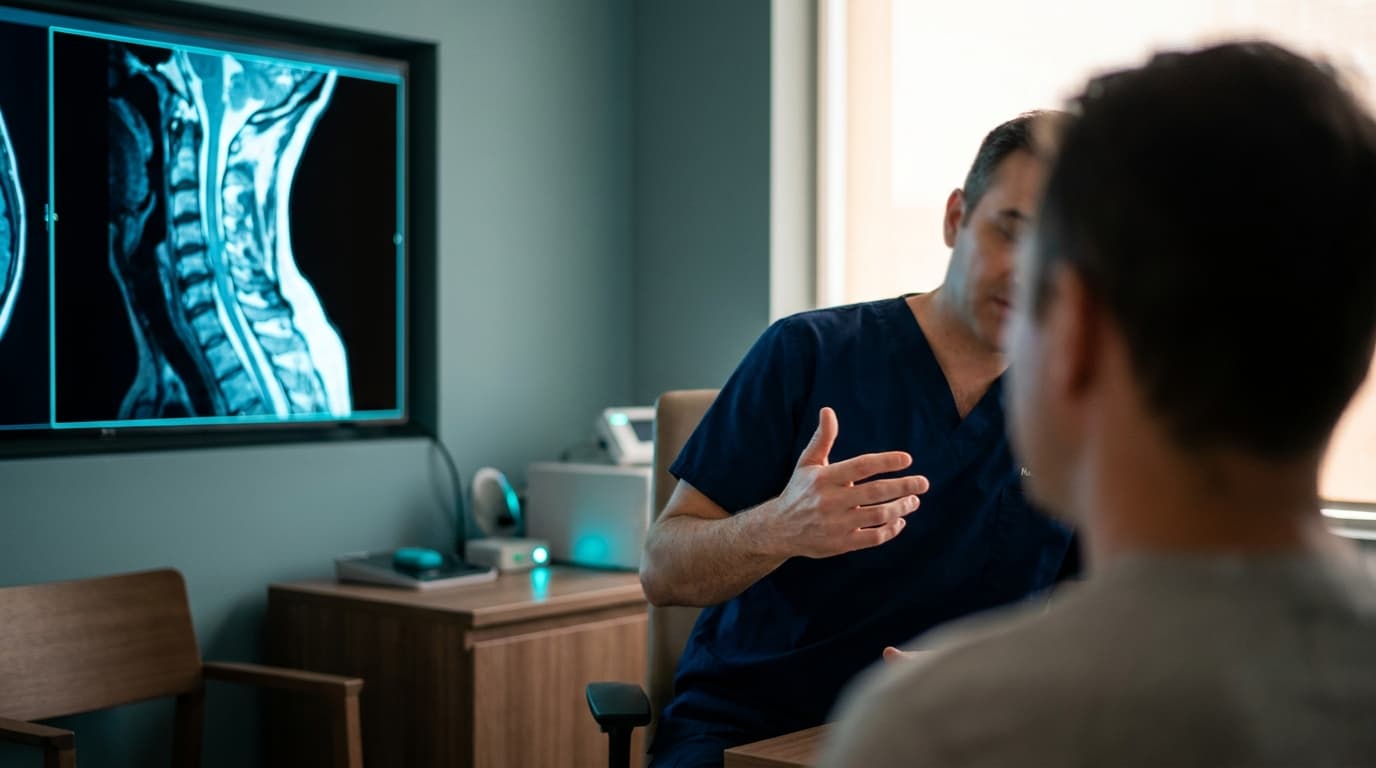
I’m Edvin Telemi, MD, a fellowship-trained neurosurgeon specializing in minimally invasive, endoscopic, and complex spine surgery. From straightforward disc problems to complex spinal conditions, my goal is to identify the source of your symptoms and recommend the least invasive treatment that can reliably address it.
New patients welcome in Michigan. Call (586) 803-1220.
Trained at

Fellowship, Complex & Minimally Invasive Spine
Los Angeles

Residency, Neurological Surgery
Detroit

Doctor of Medicine, Alpha Omega Alpha
Tucson

Peripheral Nerve Surgery
Ann Arbor

Pediatric Neurosurgery
Cincinnati, Ohio
How I decide
Non-surgical care whenever it can work
The smallest operation that solves the actual problem
Fusion and reconstruction only when the structure demands it
I start by making sure the diagnosis is right. Then I look for the least invasive thing that will actually fix it. If that turns out to be no operation at all, I will tell you plainly, and I will tell you why.
Most people arrive worried that surgery is the only thing on offer. It is the last of six options, and the first two resolve a great many of the problems I see. Where you belong on this list depends on what your imaging shows and on what your symptoms are actually doing.
 01
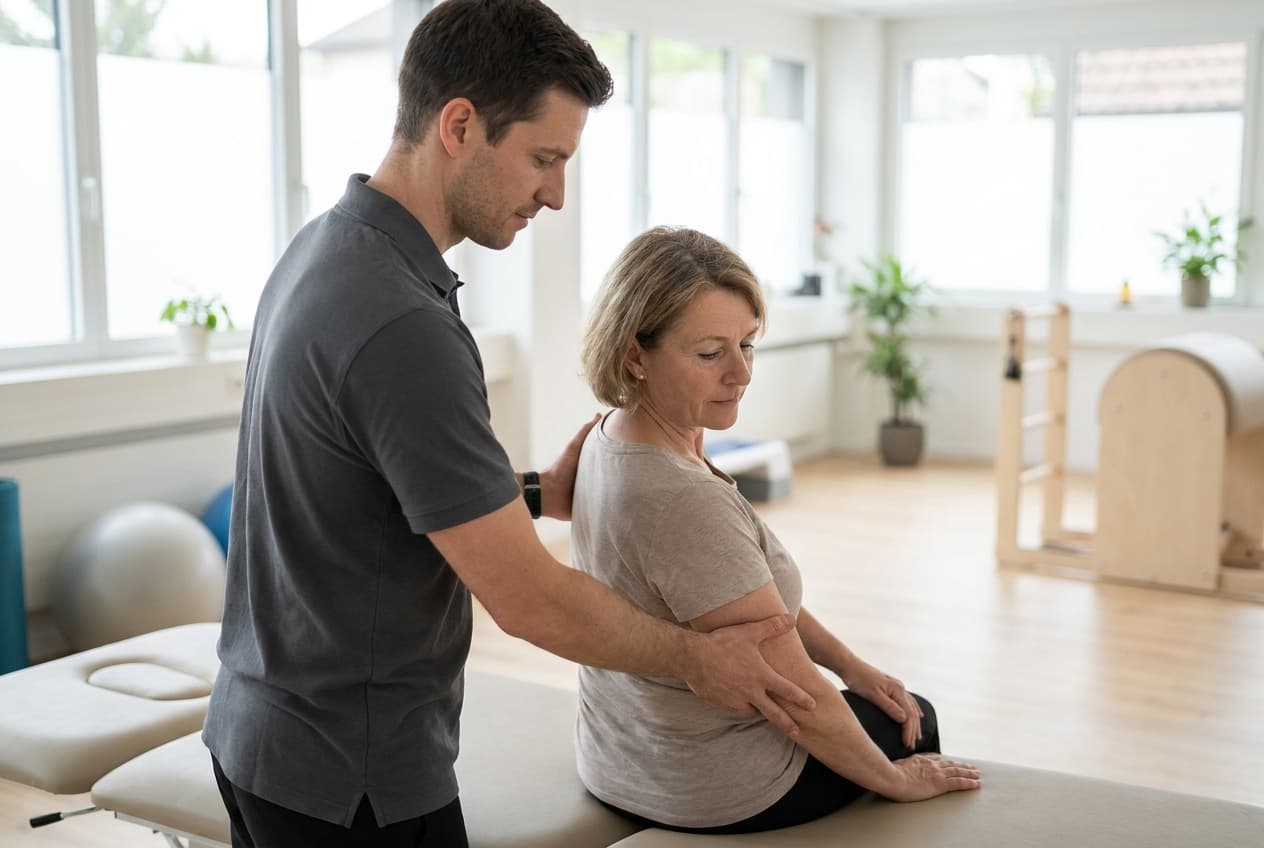
01Non-surgical treatment is almost always the right first choice, and knowing when it stops being the right choice is the rest of my job.
Read more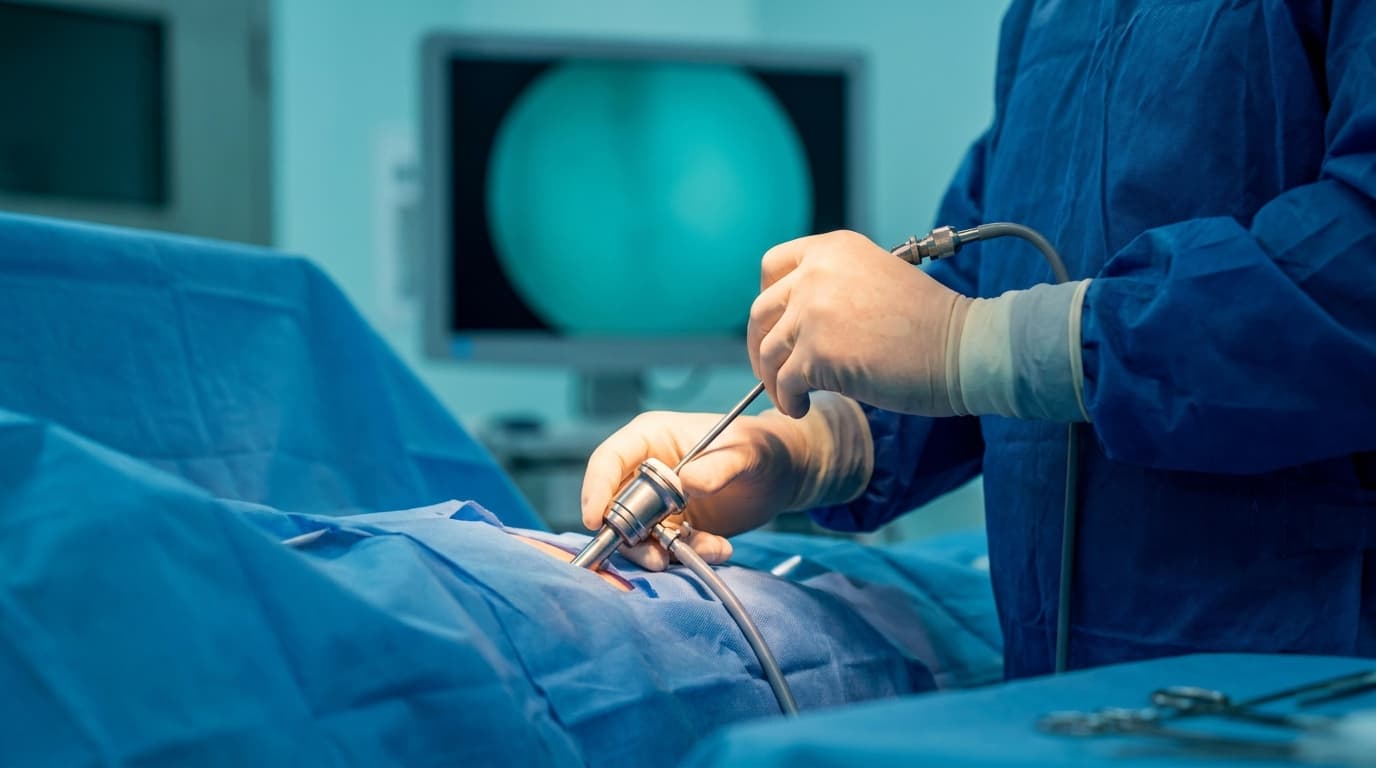 02
02The same operation, reached through a smaller opening, when the anatomy allows it.
Read more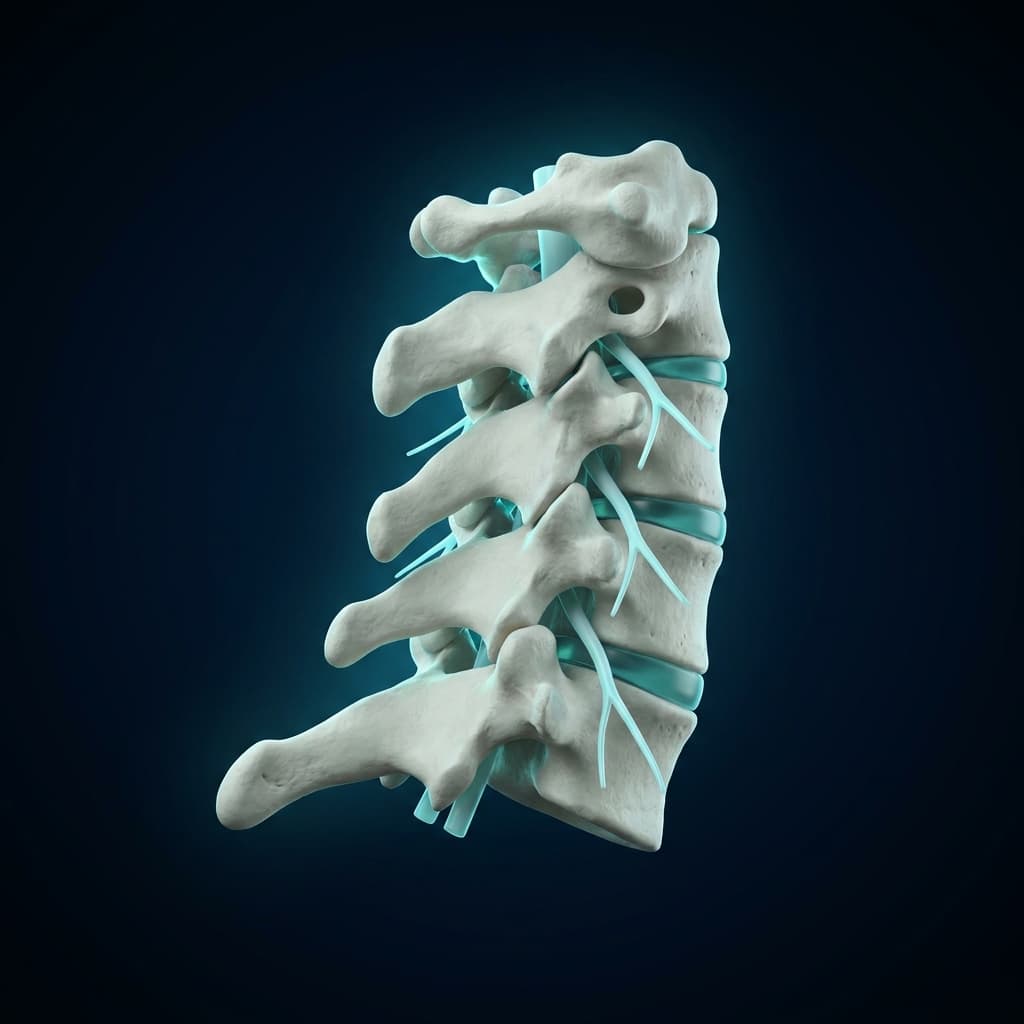 03
03When a level can be decompressed without being locked down, that is usually worth doing.
Read more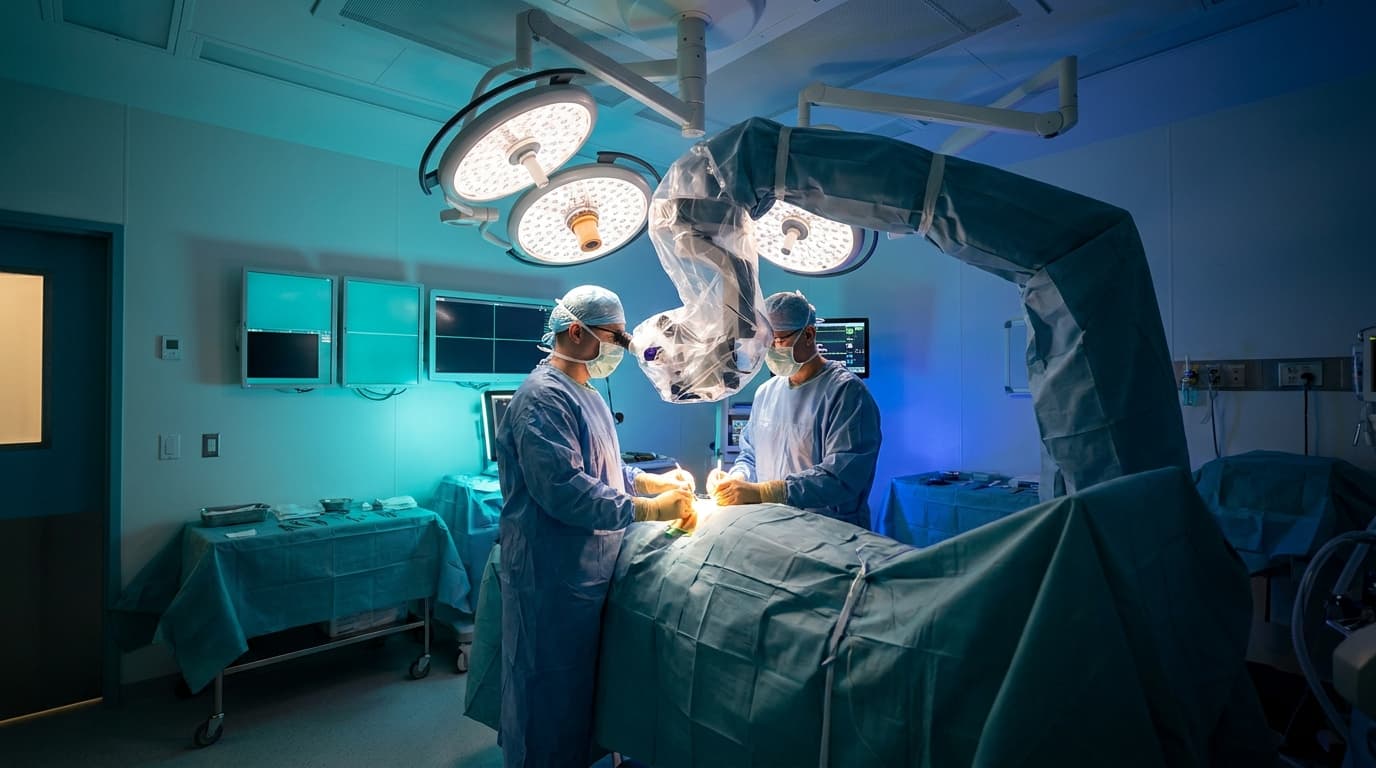 04
04Fusion is offered more often than it is needed, and it is exactly right when it is needed.
Read more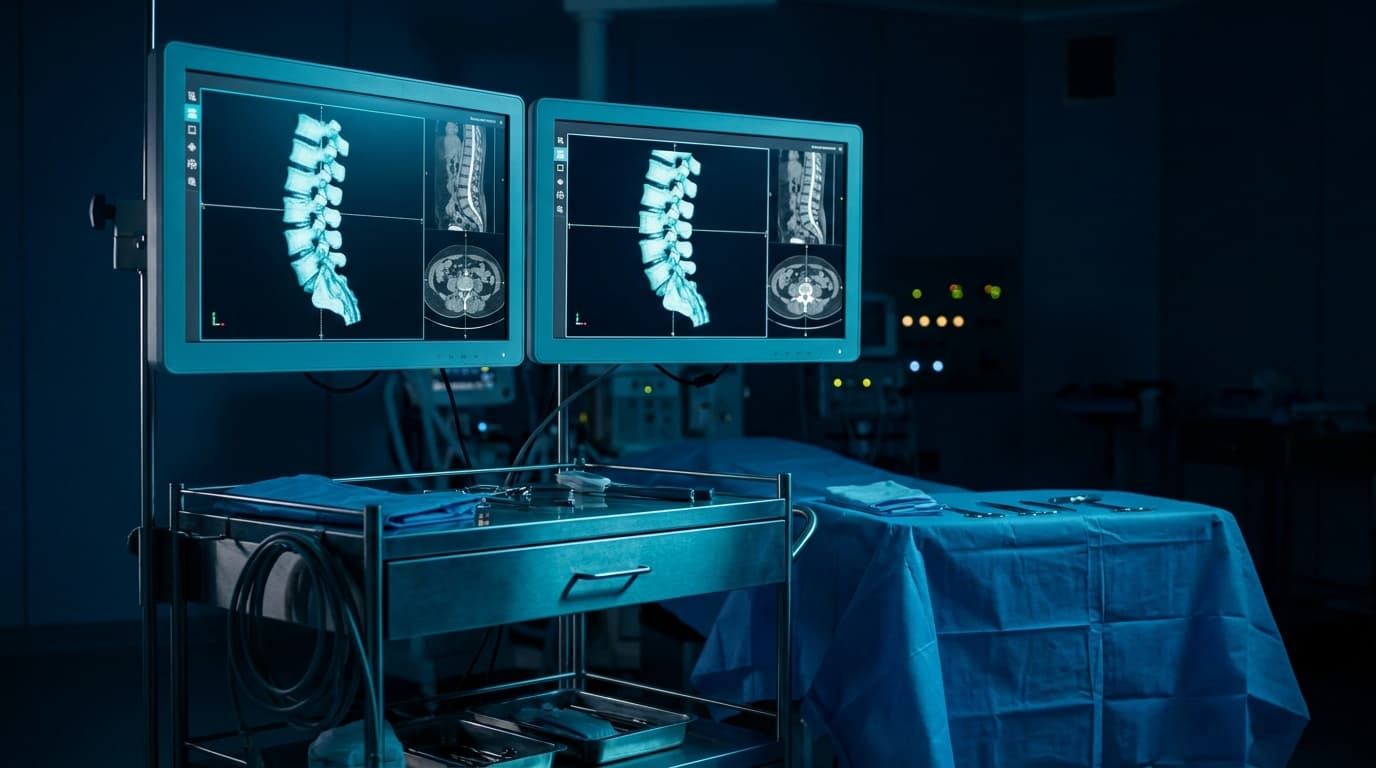 05
05The most important decisions in complex spine surgery are made before the operating room, not inside it.
Read more 06
06A new spinal tumor diagnosis is frightening, and the first useful thing I can do is separate what is urgent from what only feels urgent.
Read more
Meet Dr. Telemi
I completed my neurosurgical residency at Henry Ford Health in Detroit and my fellowship in complex and minimally invasive spine surgery at UCLA Health. I came back to practice where I trained, which means the person who reads your imaging is the person who will operate, and the person you will see afterwards.
Every condition I treat lives at a level of the spine. Follow the column down, find your region, and read what is actually going on, in plain language.
The neck: seven vertebrae that carry the head and protect the spinal cord where it is most mobile. Nerve compression here is often felt in the shoulder, arm, or hand.
The mid back: twelve vertebrae braced by the rib cage. It is the stiffest region of the spine, so problems here are less common but deserve careful attention.
The low back: five vertebrae that carry most of the body's load. This is where disc herniations, stenosis, and most degenerative change concentrate.
The base: the sacrum joins the spine to the pelvis and transfers load into the hips. Pain here is easy to mistake for low-back or hip trouble.
Conditions I treat
Spine conditions are easier to understand when they are sorted by mechanism instead of by region. Two of these groups matter more than their size suggests: what happens after a previous operation, and the problems that look like spine problems but are not.
A disc bulges or the canal narrows, and a nerve root loses the room it needs. The pain usually travels: down an arm, down a leg, further than the spine itself.
Pressure on the cord itself rather than on a single nerve root. Symptoms are often subtle at first: clumsy hands, a change in balance, a gait that has quietly altered. These are the presentations I do not like to watch and wait on.
The problem is structural. One vertebra has shifted on another, or the spine's overall balance has changed, and the symptoms track with position and load rather than with a single compressed nerve.
Conditions where something other than degeneration is affecting the spine. Some of these are urgent. If you have arrived here with a new diagnosis, the timelines matter, and I keep room in the schedule for them.
Pain that came back, never went away, or moved somewhere new after spine surgery. There is usually a specific reason, and finding it is a different task from treating a spine that has never been operated on.
Not every case of arm or leg pain comes from the spine, and an MRI showing degeneration does not prove the degeneration is the cause. These are the diagnoses worth excluding before anyone operates on your back.
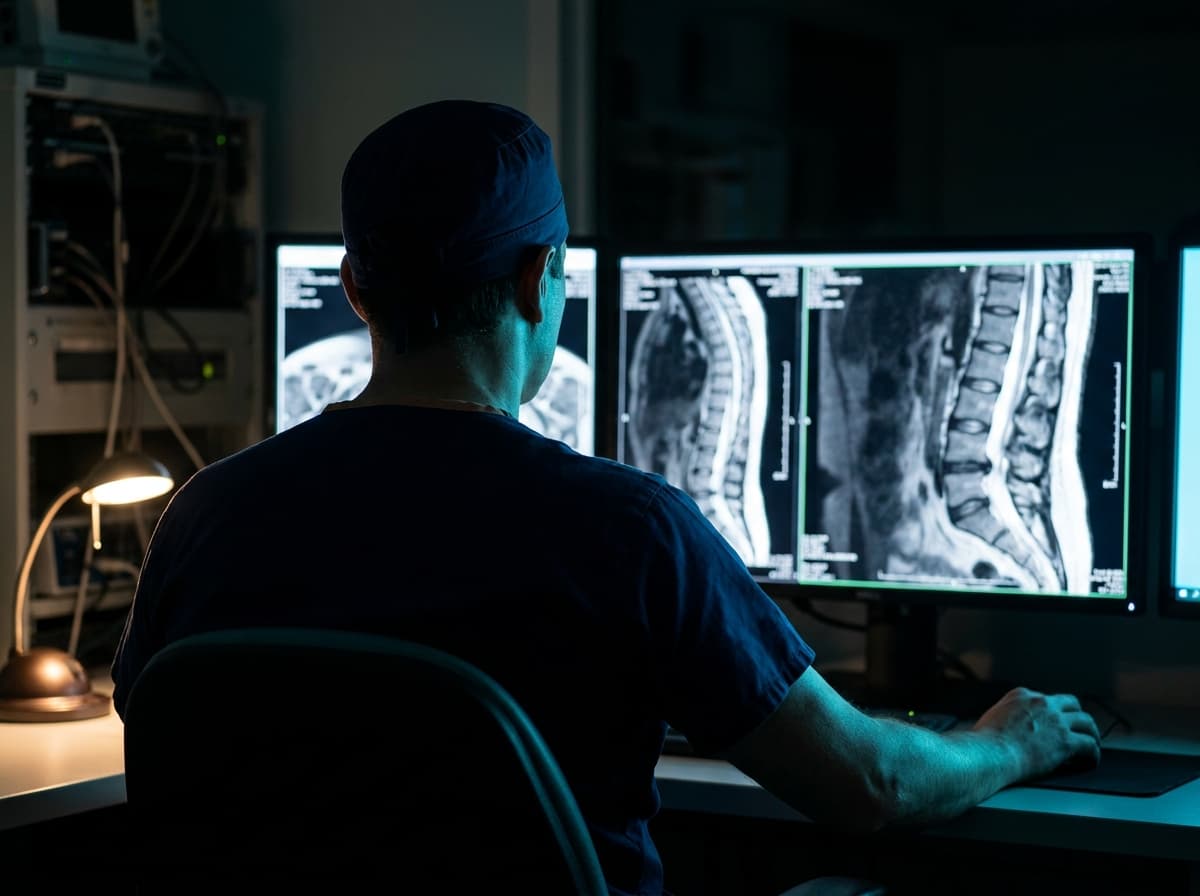
Second opinions
A second opinion is not a formality and it is not disloyal. It is how you find out whether the operation you have been offered is the one you actually need, and it is a normal part of how spine care works.
The practice is on Schoenherr Road in Shelby Township, central to the Macomb and Metro Detroit communities listed here. Each city page has honest, local directions to the office.
50505 Schoenherr Rd #200Send a short request and the office will call you back to schedule. Bring any imaging you already have, from anywhere. If you would rather talk it through first, the phone is often the faster route.
Prefer to call? (586) 803-1220